AGP Executive Report
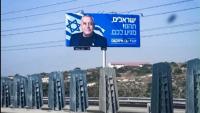
Last update: 3 hours agoIran Escalation: President Trump says US strikes could resume as soon as Sunday, while Iran’s president blames Washington for stalled talks but says a deal should remain possible. A US intelligence memo warns that plots against American officials have reached advanced stages; Washington is reducing embassy staffing and urging some citizens to reconsider travel. Regional Fighting: Houthis claim attacks on Saudi airports and oil facilities as the Saudi-led coalition reports intercepting missiles and carrying out strikes in Yemen. Brent crude has climbed above $117 a barrel amid fears of wider conflict. Israeli Politics: Former military chief Gadi Eisenkot is challenging Netanyahu in Israel’s October 27 election. Israeli forces have displaced families in Hebron after a deadly attack on soldiers, as Netanyahu vows a major West Bank operation. Jordan Attack: The death toll from a church attack in Karak has risen to nine, rattling the country’s Christian minority and prompting King Abdullah to vow a forceful response. Diplomacy: Türkiye, Egypt, Pakistan, Saudi Arabia and four European countries are urging dialogue and de-escalation as tensions mount.
Note: AI summary from news headlines; neutral sources weighted more to help reduce bias in the result. Feedback is welcome. Please let us know if you have any comments or suggestions about the AGP Executive Report.

 Perspectify News